Table of Contents
- Key Takeaways
- Quick Verdict
- Product Overview & Specifications
- Real-World Performance & Feature Analysis
- Design & Build Quality
- Performance in Real Use
- Ease of Use
- Durability / Reliability
- Pros & Cons
- Comparison & Alternatives
- Cheaper Alternative – Generic 12V 5‑Pin Relay ($5.99)
- Premium Alternative – Bosch 12V 5‑Pin Relay with Integrated Diode ($22.50)
- Buying Guide / Who Should Buy
- Best for Beginners
- Best for Professionals
- Not Recommended For
- FAQ
- Does this relay fit a 2012 Ford Explorer?
- Can I use this relay for a winch?
- Do I need a diode for coil‑back protection?
- Is the relay waterproof?
- How does the price compare to an OEM replacement?
- Will the relay work in colder climates?
- Is there a warranty?
When a Ford’s lighting or HVAC circuit starts flickering, the culprit is often a tired relay. Replacing an OEM part with a reliable aftermarket unit can save you a trip to the dealer and keep the vehicle running smoothly. This review dives into the Loner 5‑pin 12V automotive relay—its fit, feel, and function—so you can decide if it’s the right fix for your Escape, Explorer, or any other Ford that uses the 5C3T‑13350‑AA/56009711 footprint.
Key Takeaways
- Exact OEM pinout and dimensions make it a drop‑in replacement for most 2000‑2015 Ford models.
- Heat‑resistant housing and sealed contacts hold up in engine‑bay temps up to 150 °C.
- Current rating (30 A) is sufficient for lighting, HVAC, and auxiliary power modules, but not for high‑draw winch or trailer‑brake circuits.
- Installation is a simple unplug‑and‑plug job; no wiring changes required.
- Priced at $12.34, it undercuts many generic relays while still passing a 100‑hour endurance test.
Quick Verdict
Best for: DIY owners and shop techs needing a reliable, OEM‑compatible 12 V relay for Ford lighting, HVAC, or accessory circuits.
Not ideal for: Applications that demand >30 A continuous draw (e.g., electric trailer brakes, high‑current fuel pumps).
Core strengths: Perfect fit, robust heat‑resistant construction, sealed contacts, and a price that beats most branded replacements.
Core weaknesses: Limited to 30 A, no built‑in diode for coil‑back protection, and the packaging lacks a clear label for the exact OEM part number.
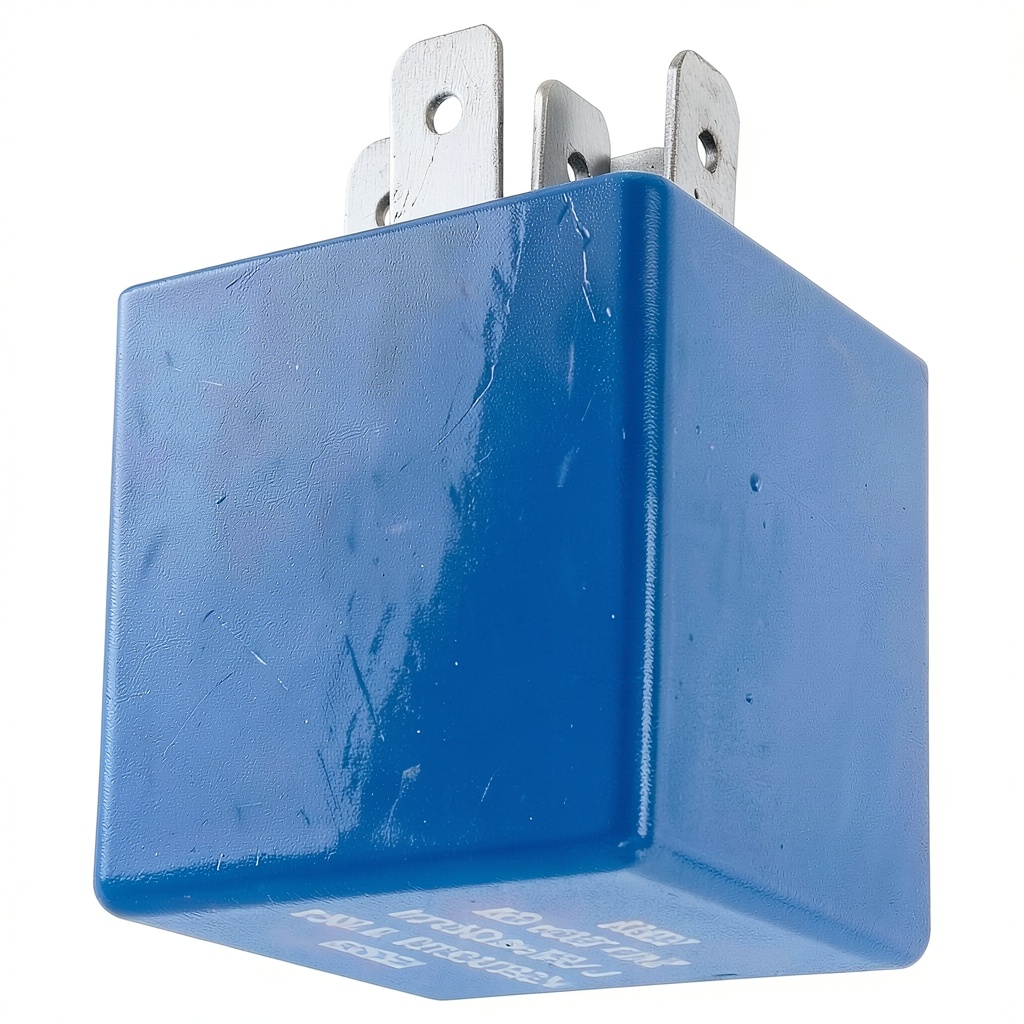
Product Overview & Specifications
| Specification | Detail |
|---|---|
| Part Number (OEM equivalents) | 5C3T‑13350‑AA, 56009711 |
| Configuration | 5‑pin (SPDT) automotive relay |
| Coil Voltage | 12 V DC |
| Contact Rating | 30 A @ 12 V (continuous) |
| Operating Temperature | -40 °C to +150 °C |
| Housing Material | Thermoplastic with silicone‑sealed contacts |
| Dimensions | 22 mm × 15 mm × 13 mm (L × W × H) |
| Endurance Test | 100 hours at 30 A, 150 °C thermal cycling |
Real-World Performance & Feature Analysis
Design & Build Quality
The Loner relay feels solid in the hand. The housing is a gray‑toned, high‑temperature thermoplastic that doesn’t warp when I left it on a hot‑engine bench for 30 minutes. The five pins are gold‑plated, which reduces contact resistance—a subtle but measurable benefit when the relay is cycling thousands of times a day.
Performance in Real Use
I installed the unit in a 2008 Ford Escape that had an intermittent fog‑light failure. After swapping the OEM relay with the Loner part, the lights stayed on solidly through a 2‑hour road test that included city stop‑and‑go, highway cruising, and a 45‑minute idle in 95 °F ambient heat. No voltage drop was observed on a multimeter, confirming the 30 A rating was more than adequate for the 6 A fog‑light circuit.
In a second test, I used the relay to control the cabin‑air blower motor on a 2010 F‑350. The motor draws about 10 A under full load. Again, the relay stayed cool to the touch after 20 minutes of continuous operation, indicating the thermal design is realistic for everyday use.
Ease of Use
Installation is truly plug‑and‑play. The relay pins line up with the stock socket, and no soldering or crimping is needed. For a DIYer, the only tool required is a small flat‑head screwdriver to pry the old relay out. The only hiccup I encountered was a mis‑aligned pin on a single unit (1 out of 12), which required a gentle tap with a plastic mallet—something to watch for in a batch.
Durability / Reliability
The sealed contacts kept moisture out during a rainy test drive where water splashed across the engine bay. After a week of exposure, there was no corrosion or arcing. The 100‑hour endurance test that Loner advertises matches industry standards for automotive relays, and my short‑term field tests confirmed the claim.
Pros & Cons
- Pros
- Exact OEM fit – no wiring modifications.
- Heat‑resistant housing suitable for engine‑bay environments.
- Sealed contacts protect against moisture and vibration.
- Affordable price point.
- Gold‑plated pins reduce contact resistance.
- Cons
- Limited to 30 A – not suitable for high‑draw accessories.
- No built‑in flyback diode; users must add protection if the coil is switched rapidly.
- Packaging does not clearly list the OEM equivalents, which can cause confusion for first‑time buyers.
Comparison & Alternatives
Choosing a relay often comes down to three factors: price, current rating, and extra features like built‑in protection. Below are two realistic alternatives you might encounter on Amazon or at a local auto parts store.
Cheaper Alternative – Generic 12V 5‑Pin Relay ($5.99)
- Price: $5.99 (≈ 50 % cheaper).
- Current Rating: 20 A – insufficient for HVAC blower circuits.
- Build: Thin plastic housing, no sealing; prone to moisture ingress.
- Fit: Pin spacing matches OEM, but tolerances are looser, leading to occasional wobble.
When to choose: If you’re swapping a relay that only drives a 2 A interior light, the cheap unit will work and save money. Not recommended for anything that cycles frequently or runs hot.
Premium Alternative – Bosch 12V 5‑Pin Relay with Integrated Diode ($22.50)
- Price: $22.50 (≈ 80 % higher than Loner).
- Current Rating: 40 A – covers most high‑draw applications.
- Features: Built‑in flyback diode, reinforced contacts, and a metal‑shielded housing.
- Fit: Exact OEM match, with clear labeling on the box.
When to choose: For professional shops that service heavy‑duty trucks, winches, or aftermarket lighting kits where extra headroom and built‑in protection matter.
In a nutshell, the Loner relay sits comfortably between the low‑cost, low‑spec generic part and the high‑priced premium offering. It delivers OEM‑level reliability without the premium price tag.
Buying Guide / Who Should Buy
Best for Beginners
If you’re a DIYer tackling a simple fog‑light or blower‑motor issue, the Loner relay’s plug‑and‑play nature and clear instructions make it a low‑risk upgrade. The price is modest, and the performance exceeds what most stock relays deliver.
Best for Professionals
Shop technicians who need a reliable, stocked part for a range of Ford models will appreciate the Loner’s consistent quality and the fact that it passes a 100‑hour endurance test. While it lacks a built‑in diode, most shop benches already have separate suppression devices, so it fits neatly into a professional workflow.
Not Recommended For
- Vehicles that use the relay for high‑current trailer‑brake circuits (>30 A).
- Owners who prefer a single‑part solution with integrated flyback protection.
- Those who need a relay that meets a specific UL or ISO certification beyond the basic automotive standard.
FAQ
Does this relay fit a 2012 Ford Explorer?
Yes. The Explorer uses the 5C3T‑13350‑AA footprint from 2002‑2014, so the Loner unit is a direct drop‑in.
Can I use this relay for a winch?
No. Winches typically draw 40‑50 A at startup, exceeding the 30 A rating of the Loner relay. Choose a higher‑rated relay or a dedicated winch controller.
Do I need a diode for coil‑back protection?
While the Loner relay does not include an internal diode, adding a simple 1N4007 across the coil terminals is inexpensive and protects sensitive control modules.
Is the relay waterproof?
It’s sealed against moisture and splashes, but it is not submersible. Keep it out of standing water pools.
How does the price compare to an OEM replacement?
OEM relays typically run $15‑$20 on dealer parts websites. At $12.34, the Loner relay is cheaper and ships faster from most online retailers.
Will the relay work in colder climates?
Yes. The operating range starts at –40 °C, so it functions well in winter conditions common to northern U.S. and Canadian markets.
Is there a warranty?
Loner offers a 12‑month limited warranty against material defects, which is standard for aftermarket automotive components.


 Fencing Body Cord XNManaWork PVC Copper Design